PRAGATI – 2025
Transitional curriculum for 1st Professional BAMS students of batch 2025-26 from 19th November to 4th December 2025
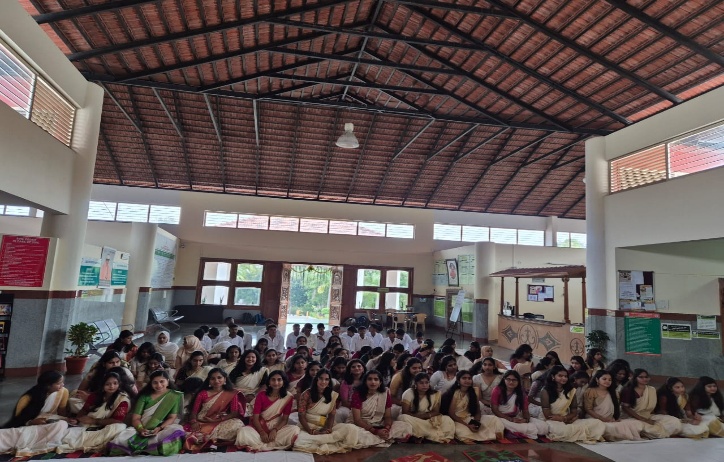
Transitional Curriculum for the newly admitted BAMS batch 2025-26 commenced with a welcoming atmosphere marked by systematic planning and enthusiastic participation on 19th November 2025.
The program unfolded offering a blend of academic orientation, cultural integration, professional guidance, and value-based learning—ensuring that the transition from pre-university education to Ayurveda education was meaningful, smooth, and inspiring.
The first day began with the formal registration of students, symbolizing the official initiation of their academic journey.
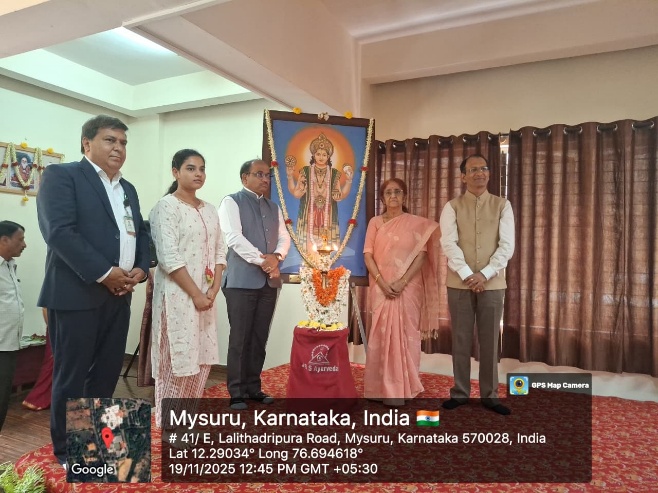
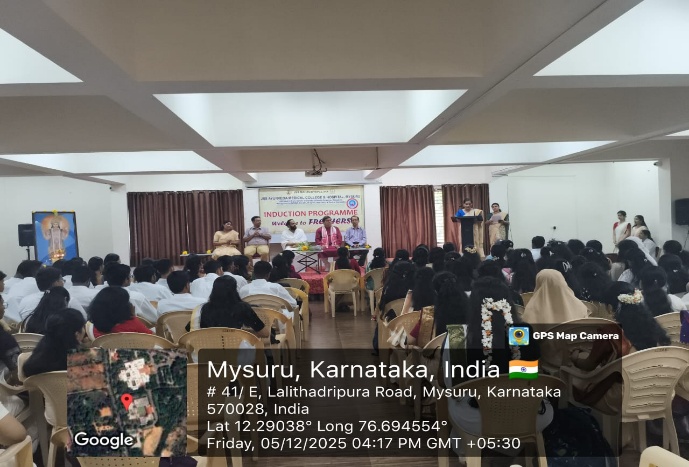
This was followed by a dignified Inaugural Ceremony, graced by esteemed Chief guest Dr. Aruna, Former Principal, Government Ayurveda medical college, Mysuru and Sri. R Mahesh, Director, Medical education division, JSS Mahavidyapeetha and Dr. Sarbeswar Kar, Principal of our Institution along with other dignitaries, where lamp lighting, invocation, and welcome speech set a tone of cultural respect and intellectual commitment.
A pre-test and interaction with parents helped establish transparency and rapport, ensuring families were well aligned with the institution's expectations and support system.
The day progressed with a peer-interaction session titled “Learning from Seniors,” offering student’s valuable insights into academic culture and campus life.
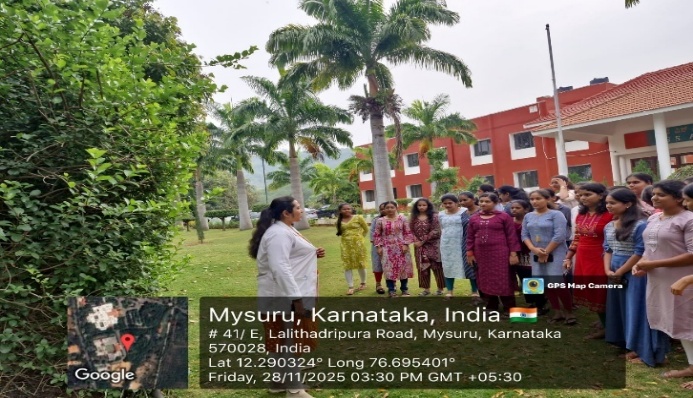
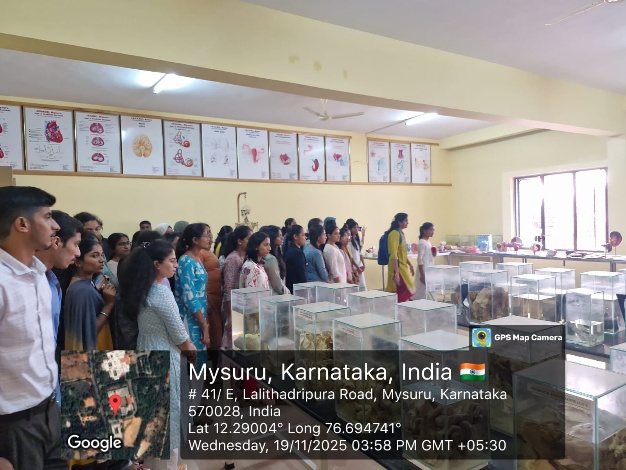
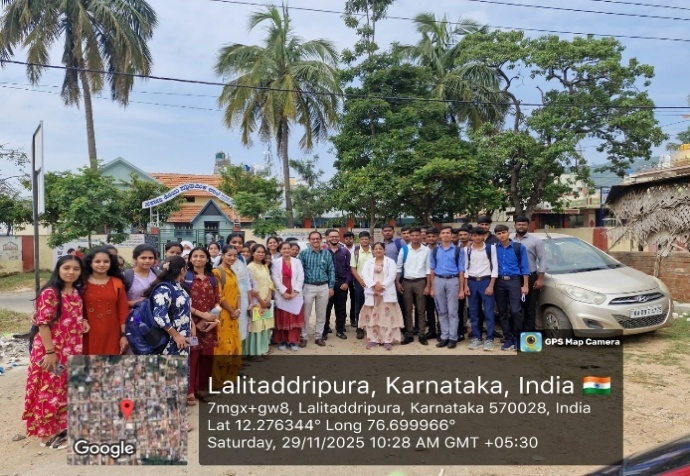
A guided campus orientation tour followed, familiarizing students with departments, library, laboratories, herbal garden, and hospital facilities.
The day concluded with a short mindfulness session, introducing emotional grounding practices from the beginning.
Over the subsequent days, students were gradually exposed to the foundational pillars of Ayurveda.
Sessions such as Basic Principles of Ayurveda, Trisutra, Ashtanga Ayurveda, Dosha-Dhatu-Mala, Rachana Sharira, and Nidana Panchaka built conceptual clarity.
Faculty-led interactions ensured that learning remained engaging, student-friendly, and aligned with a competency-based curriculum.
Beyond academics, the program successfully integrated exposure to the history, philosophy, and global relevance of Ayurveda.
Topics such as Ayurveda and Yoga as Soft Power, Ayurveda in Nation Building, and Scope of Ayurveda Globally enriched students’ perception of Ayurveda beyond textbooks.
Several sessions focused on professional and ethical development—Sadvritta, Ethics of a Vaidya, Soft Skills, Life Skills, Satvavajaya, and compassionate care—laying the foundation for a responsible future healthcare professional.
Practical and skill-based orientations formed another core of the curriculum.
Students underwent Basic Life Support training, First Aid demonstrations, Biomedical Waste Management training, and were also introduced to the Learning Management System (LMS) for digital learning.
Exposure to AI in medical education, research methodology, and academic writing orientation highlighted the integration of traditional knowledge with modern systems.
Sessions on Sanskrit reading, communication, shloka recitation, and terminology were conducted on multiple days to ensure familiarity with scriptural language—an essential skill for Ayurvedic learning.
The program also ensured emotional, social, and cultural engagement.
Students participated in reflection activities, cultural participation, group discussions, debates, and motivational talks that encouraged self-awareness and community bonding.
Activities such as the Talent Show and Spoken Sanskrit sessions added joyful learning moments.
A highlight of the curriculum was the full-day rural community outreach program “Jeevaneeya.”
This field experience offered students firsthand exposure to Ayurveda-based public health engagement, helping them relate classroom learning to community realities.
The concluding day featured the auspicious Dhanvantari Pooja and Shishya Upanayana Ceremony, symbolizing the formal initiation of students into the Ayurvedic learning tradition was conducted on 4th December 2025.
The final sessions included a post-test, feedback collection, and closing reflections, allowing students to assess their learning journey and express their thoughts.
The program formally concluded with a brief mindfulness practice followed by final remarks from faculty.
Valedictory program me was conducted on 4th December 2025 in presence of divine Swamiji Divyapaadaji blessed our students.
The Transitional Curriculum successfully achieved its objective of orienting students academically, emotionally, and professionally into the world of Ayurveda.
With a balanced framework of theory, practice, culture, and mentorship, the program empowered students to step confidently into their first academic year with clarity, inspiration, and a sense of belonging to the Ayurvedic fraternity.